How Legal Departments Directly Influence Business Materiality, Growth and Efficiency

Download 2023 ELR Report
ELR impact on business
The 2023 Enterprise Legal Reputation (ELR) Report provides a year-over-year (YoY) illustration of how corporate legal departments are perceived via interactions with enterprise employees. It also spotlights how Legal’s direct impact on business — from sales and innovation to corporate culture — depends on its ability to evolve its relationships.
Collaborate
Accelerate
Innovate
Brought to You by Onit
Report overview
Conducted by Provoke Insights in November 2022
4,000
Enterprise employees
500
Corporate legal professionals
4,500
Total responses
Key findings
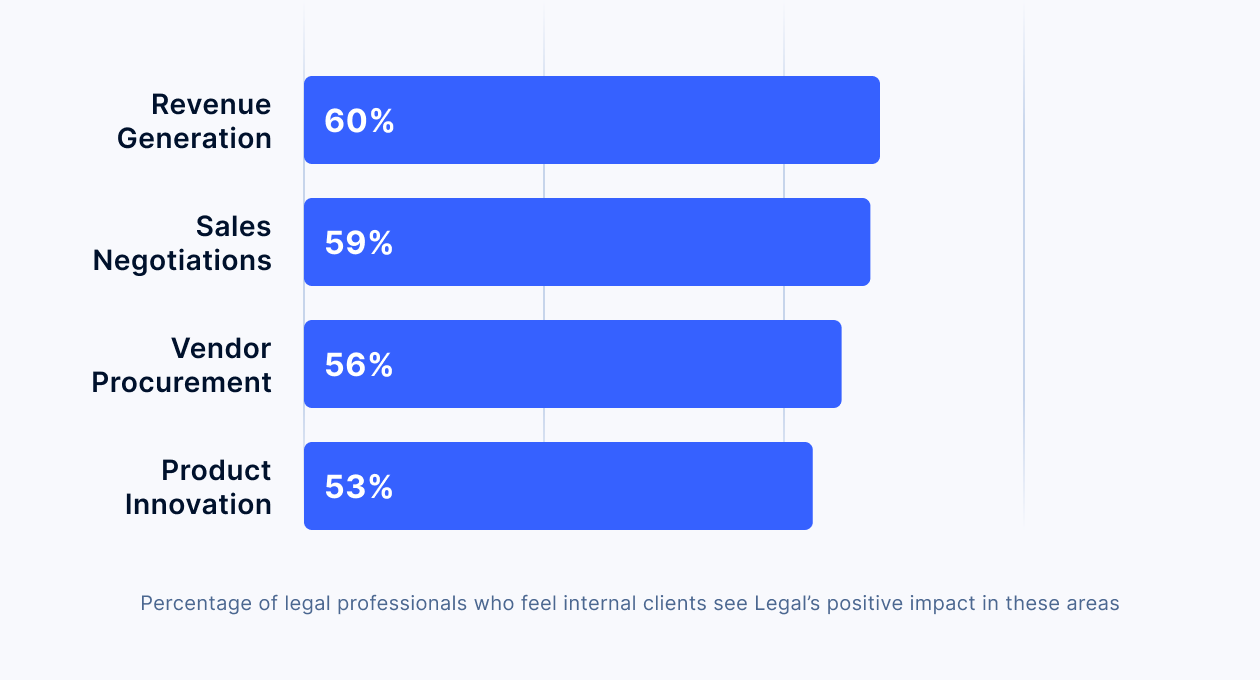
Legal’s superpower is its material business impact
Legal professionals
Legal teams believe internal clients perceive their department as having a positive effect on material aspects of their businesses.
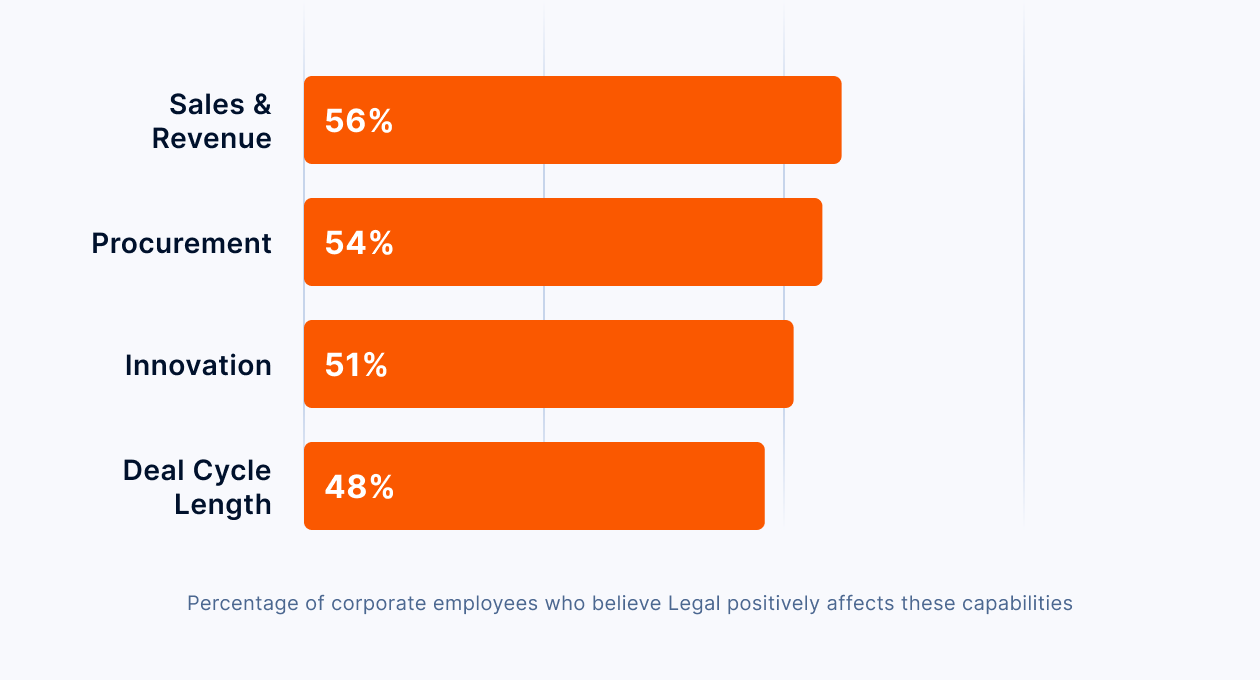
Corporate employees
Legal’s internal clients acknowledge the department’s positive influence on corporate growth and profitability.
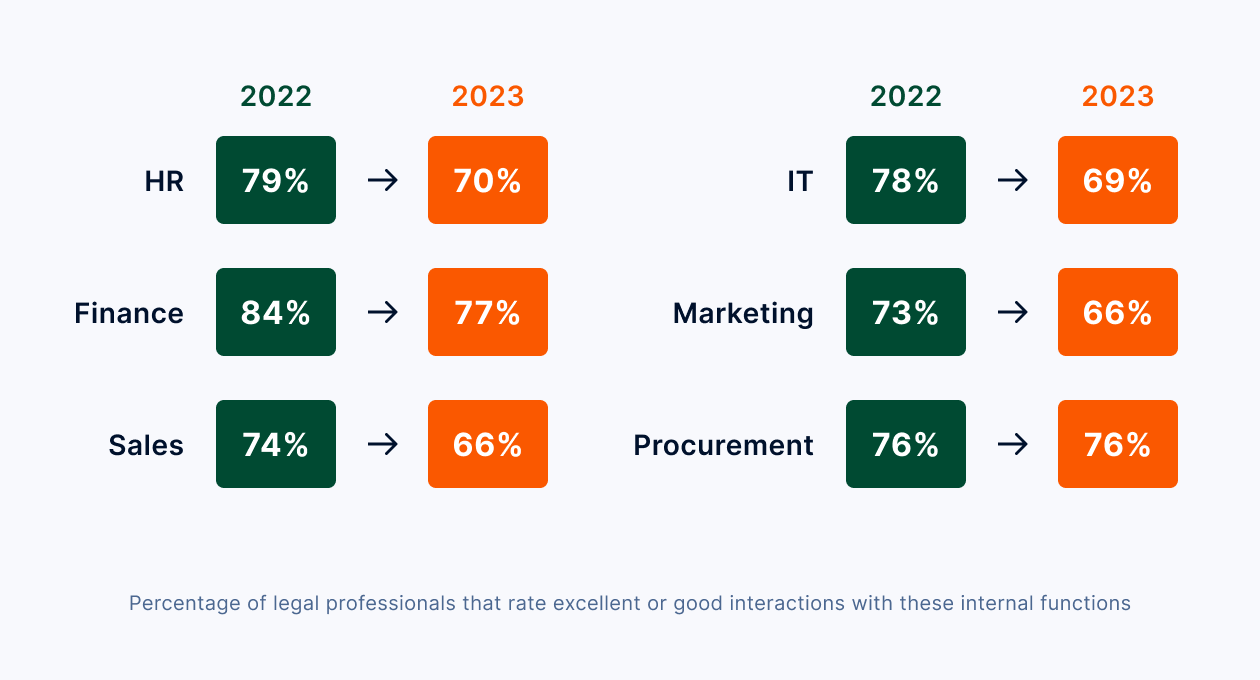
Legal’s positive image depends on maintaining and sustaining positive relationships
Legal professionals
Legal’s positive perception of its collaboration has fallen.
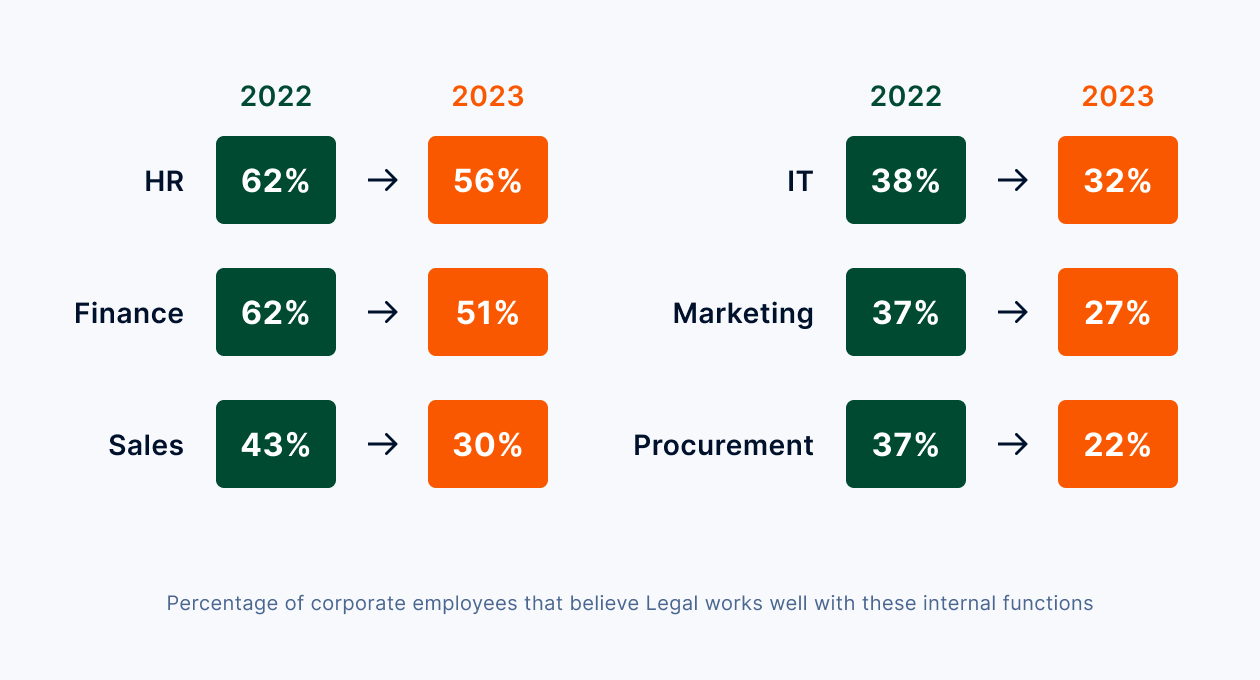
Corporate employees
The quality of corporate employees’ interactions with Legal has declined.
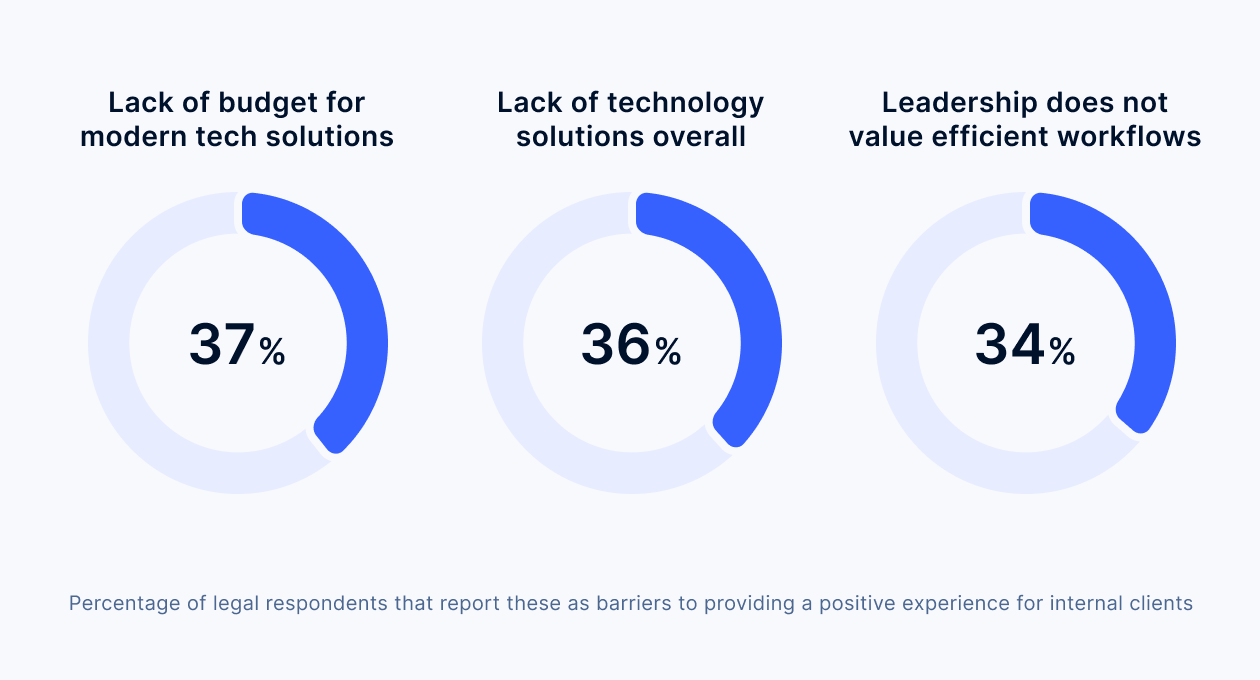
Legal’s future as material influencer lies in becoming a modern, interactive partner
Legal professionals
Legal wants to be a more visible and efficient partner but there are roadblocks to modernization.
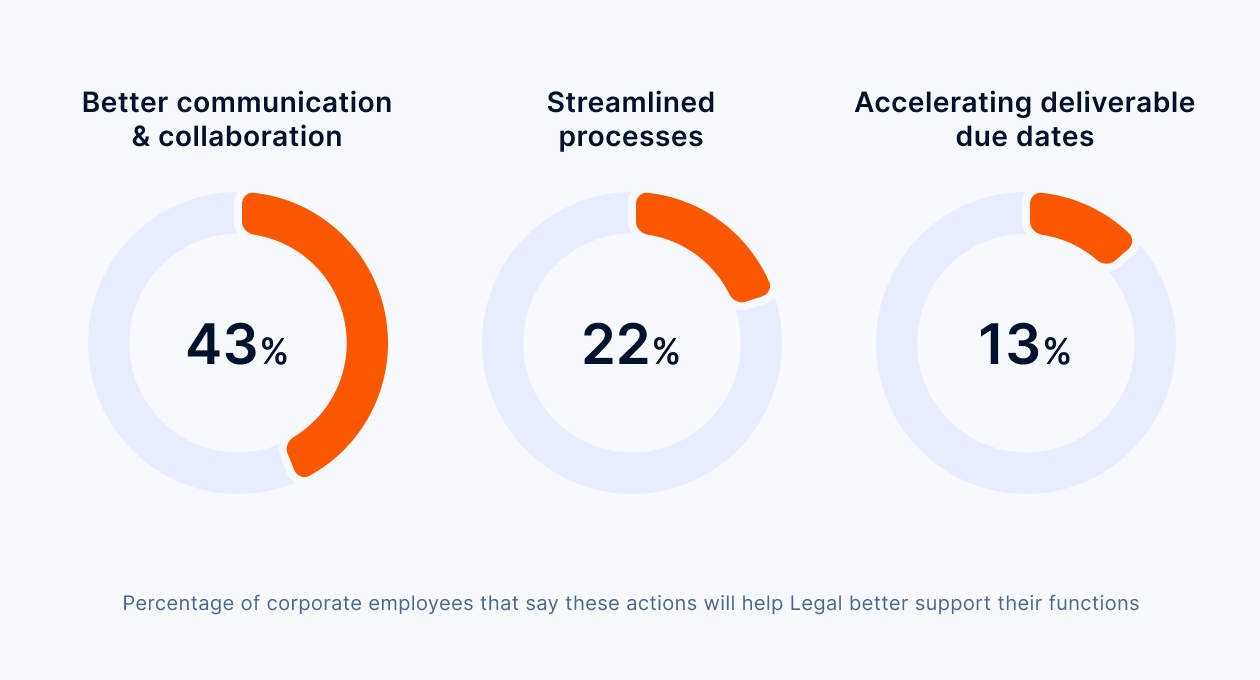
Corporate employees
Corporate employees are looking for better communication and faster execution from Legal — especially in a challenging economic climate.
The future of legal is now.
The 2023 Enterprise Legal Reputation Report reveals that how legal departments boldly choose to take control and transform their brand image from business protector into that of a true strategic business partner and material powerhouse will dictate Legal’s value and impact on growth and efficiency across every corner of the enterprise.
Understanding the Role of Legal Departments in Business Strategy
Legal departments are increasingly recognized as strategic partners within organizations, influencing key business decisions and overall corporate strategy. Their involvement extends beyond compliance and risk management to actively shaping business outcomes and driving growth.
For instance, legal teams that align closely with business objectives can offer insights that lead to better contract negotiations, improved stakeholder relationships, and enhanced operational efficiency. This strategic involvement positions legal departments as essential contributors to the company's success.
Key Metrics for Assessing Legal Department Performance
Measuring the performance of legal departments is crucial for understanding their impact on the organization. Key metrics may include the speed of contract turnaround, legal spend as a percentage of revenue, and the satisfaction levels of internal clients.
By analyzing these metrics, organizations can identify areas for improvement and ensure that their legal departments are not only compliant but also adding tangible value to the business. For example, a reduction in contract turnaround time can lead to quicker deal closures and increased revenue generation.
Trends Shaping the Future of Legal Departments
The legal landscape is evolving rapidly, with trends such as technology integration, remote work, and the increasing importance of data privacy shaping the future of legal departments. Staying ahead of these trends is essential for legal teams to remain relevant and effective.
For instance, the adoption of artificial intelligence and machine learning tools can streamline processes and enhance decision-making capabilities. Legal departments that embrace these innovations will be better equipped to navigate the complexities of modern business environments.
Building a Positive Legal Reputation
A strong legal reputation is vital for fostering trust and collaboration within an organization. Legal departments must actively work to build and maintain this reputation by demonstrating competence, transparency, and responsiveness to business needs.
Engaging in regular communication with internal stakeholders and providing valuable insights can enhance the legal department's image. Additionally, showcasing successful outcomes and positive collaborations can further solidify the department's reputation as a key business partner.
Understanding the Role of Legal Departments in Business Strategy
Legal departments are increasingly recognized as strategic partners within organizations, influencing key business decisions and overall corporate strategy. Their involvement extends beyond compliance and risk management to actively shaping business outcomes and driving growth.
For instance, legal teams that align closely with business objectives can offer insights that lead to better contract negotiations, improved stakeholder relationships, and enhanced operational efficiency. This strategic involvement positions legal departments as essential contributors to the company's success.
Key Metrics for Assessing Legal Department Performance
Measuring the performance of legal departments is crucial for understanding their impact on the organization. Key metrics may include the speed of contract turnaround, legal spend as a percentage of revenue, and the satisfaction levels of internal clients.
By analyzing these metrics, organizations can identify areas for improvement and ensure that their legal departments are not only compliant but also adding tangible value to the business. For example, a reduction in contract turnaround time can lead to quicker deal closures and increased revenue generation.
Trends Shaping the Future of Legal Departments
The legal landscape is evolving rapidly, with trends such as technology integration, remote work, and the increasing importance of data privacy shaping the future of legal departments. Staying ahead of these trends is essential for legal teams to remain relevant and effective.
For instance, the adoption of artificial intelligence and machine learning tools can streamline processes and enhance decision-making capabilities. Legal departments that embrace these innovations will be better equipped to navigate the complexities of modern business environments.
Building a Positive Legal Reputation
A strong legal reputation is vital for fostering trust and collaboration within an organization. Legal departments must actively work to build and maintain this reputation by demonstrating competence, transparency, and responsiveness to business needs.
Engaging in regular communication with internal stakeholders and providing valuable insights can enhance the legal department's image. Additionally, showcasing successful outcomes and positive collaborations can further solidify the department's reputation as a key business partner.