
Resource Type: White Paper

Stop doing manual math in Legal Ops

If you’re still managing spend and invoices in spreadsheets, your process is already broken. Manual math drains hours every week, creates hidden errors, and chips away at trust with finance and vendors. This whitepaper, Math of Legal Ops: Numbers, Process, and People Driving the Bottom Line, shows how modern legal ops teams are fixing the equation with automation, accuracy, and insight.

What’s inside:

  • How much time manual math is really costing your team
  • Why spreadsheets fail when accuracy matters most
  • The connection between data integrity and trust
  • How to turn clean numbers into measurable ROI

Download the whitepaper and see how to get out of reactive mode and start managing legal ops by design, not by formula.


What’s the real ROI of legal eBilling tech?

Read how modern eBilling delivers measurable savings, efficiency, and stronger vendor partnerships.

Legal departments are expected to control spend while delivering measurable results. eBilling technology provides the data and insights that make this possible. This resource gives you a clear framework for demonstrating ROI and securing support for your investment.

What you’ll learn:

  • How automated eBilling cuts hidden costs and keeps budgets in check
  • A proven method for calculating ROI on technology investments
  • The efficiency gains from automated invoice review
  • How data-driven spend management improves decision making
  • Real outcomes achieved by legal teams that use eBilling

Why it matters for legal ops:

Legal budgets are stretched thin, yet workloads continue to grow. With the right eBilling tech, your team can:

  • Cut manual reviews by hours
  • Improve compliance and accuracy
  • Build stronger partnerships with finance and outside counsel
  • Demonstrate clear ROI and value back to the business

Matter management 101: the groundwork for effective legal operations

Want a framework that brings compliance and control without the chaos?

Legal workloads are rising. Budgets aren’t. Errors, delays, and compliance risk pile up, especially when tracking matters is fuzzy. Smarter tracking means fewer surprises, faster answers, and cleaner compliance across every matter.

In this guide, we cover the fundamentals of matter management and how to build a framework that improves efficiency, reduces risk, and gives your team clarity from start to finish.

What you’ll learn:

  • The 7 core components of matter management, from document organization to risk management
  • How to standardize workflows and tasks to save time and avoid costly delays
  • Practical steps for organizing, tracking, and reporting matters
  • Why matter management is essential for turning legal ops into a strategic business partner

Why this matters for legal ops:

  • Control spend. Know where every dollar goes, prevent overbilling, and manage vendor invoices with ease.
  • Save time. Ditch manual workflows and repetitive tasks so your team can focus on strategy.
  • Reduce risk. Enforce consistent guidelines, stay audit-ready, and avoid missed obligations.

Legal billing guidelines best practices

Discover best practices for creating, communicating, and enforcing billing guidelines that strengthen law firm relationships and control spend.

Outside counsel billing doesn’t have to be mysterious or contentious. Legal Billing Guidelines: Best Practices compiles insights from Fortune 100 companies and startups alike to help you create clear, enforceable, and well-communicated billing rules.

Whether you’re writing your first guideline or refining an existing one, this guide explains how to set expectations, avoid billing pitfalls, and build strong, transparent relationships with your law firms.

With this guide, you’ll learn how to:

  • Define essential billing guideline components
  • Address advanced needs like budgeting and accruals
  • Communicate and roll out guidelines effectively
  • Enforce rules with tools and metrics
  • Keep guidelines updated and relevant

Becoming data-driven: a guide to structured legal reporting

Learn how structured reporting sharpens strategy and proves legal’s impact beyond the department.

Legal teams can’t rely on intuition alone. Leaders need clear, structured reporting to demonstrate impact and influence business strategy.

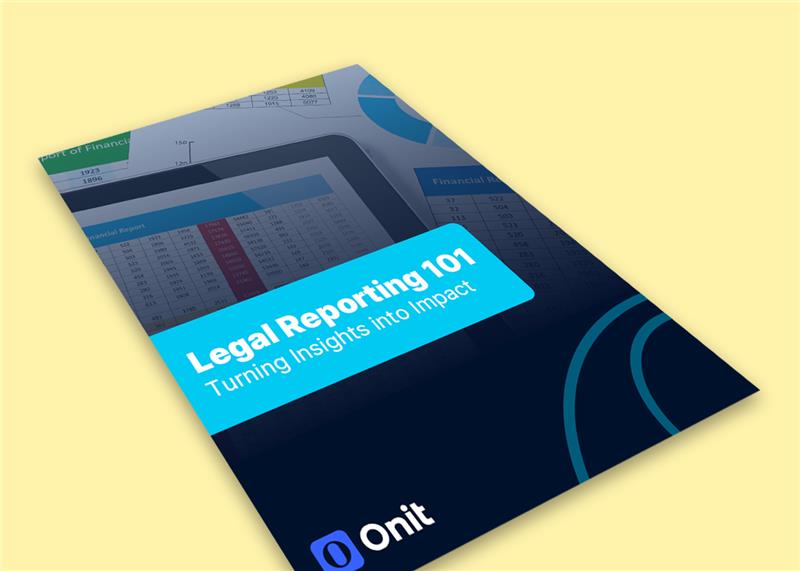
Legal Reporting 101: Turning Insights into Impact on a Structured Approach to Legal Reporting provides a practical framework for turning raw legal data into insights that drive smarter decisions, justify resource allocation, and build stronger alignment across the organization.

In this guide, you’ll discover how to:

  • Identify the key data points every legal team should capture
  • Define KPIs that show ROI and business alignment
  • Build reporting processes that are scalable and repeatable
  • Communicate insights that resonate with the C-Suite and stakeholders
  • Use reporting to transition from reactive to proactive legal operations

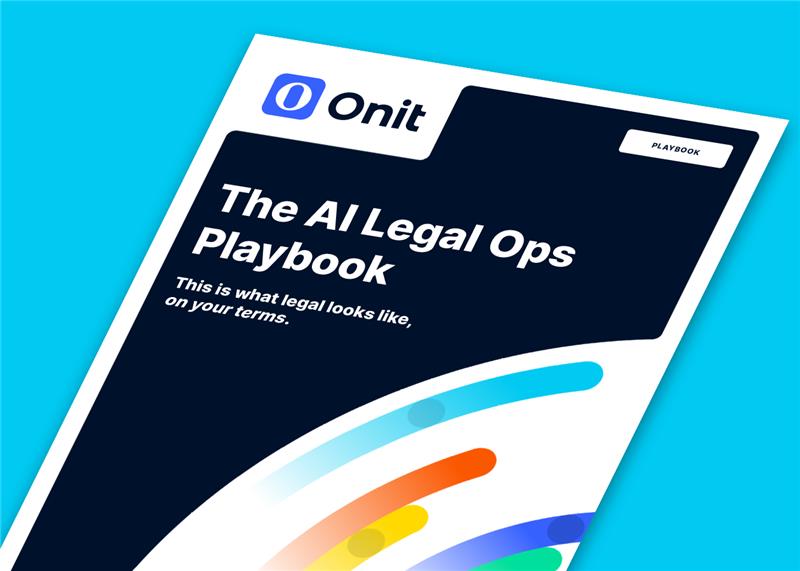
The AI Legal Ops Playbook: Build Smarter Legal Ops On Your Terms

Legal ops doesn’t need more tools to manage. It needs a path to less chaos and more control. This playbook shows where AI creates real impact by cutting repetitive work, simplifying your stack, and giving your team the space to focus on what matters most.

Inside, you’ll find practical guidance for spotting empty vendor promises, reshaping operations around outcomes, and making the case to leadership with metrics that prove value. This is a roadmap for leaner, faster, more confident legal ops.

What you’ll learn:

  • Where AI removes bottlenecks in intake, invoices, and contracts
  • How to tell if AI is truly built for legal
  • Ways to rethink your ops stack around action, not more apps
  • Talking points that resonate with GCs, CFOs, and CIOs
  • How to launch a focused pilot in 30 to 90 days and prove impact fast

Download the AI Legal Ops 101 Playbook and see how AI-native legal ops changes the way work gets done.

Build Smarter Legal Ops from Day One

It’s the foundation of a modern legal department. Is your team set up to thrive? 

Today’s legal departments are expected to do more than manage risk. They are expected to operate like a strategic business unit. That means owning spend, proving value, and enabling the business to move faster. 

But how do you get there? 

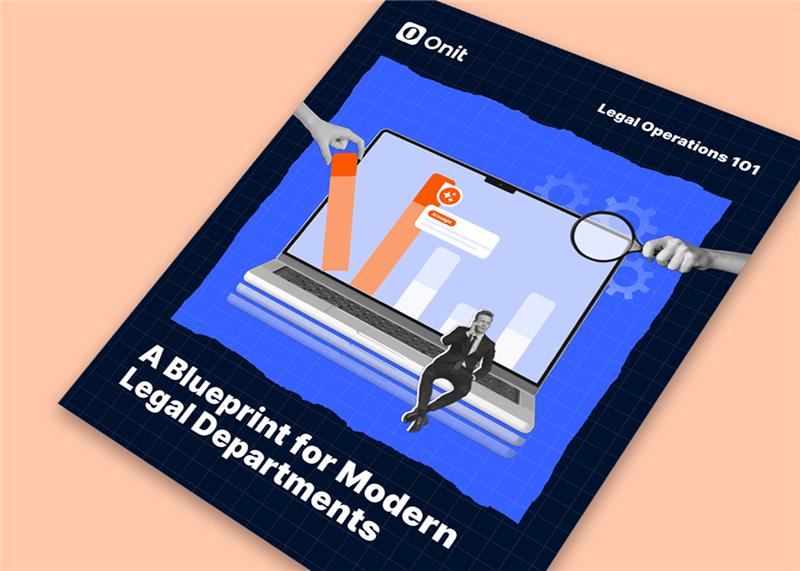
This whitepaper, A Blueprint for Modern Legal Departments: Legal Operations 101, breaks down everything you need to build and scale a legal ops function that delivers real results, whether you’re making your first hire or leveling up a growing team. It’s also a great resource for legal professionals looking to deepen their expertise, amplify their impact, and grow their career in legal ops.  

Better Call GPT: The Future of Contract Review Starts Now

How well do Large Language Models (LLMs) really perform when it comes to contract review? At Onit’s AI Center of Excellence, we decided to find out. In our latest white paper, “Better Call GPT,” we put leading AI models head-to-head with human legal reviewers to explore how AI stacks up on accuracy, speed, and cost.

The results point to a fundamental shift in how legal work can be done.

This white paper breaks down our methodology, the models we tested, and what the findings mean for legal departments, LPOs, and the next generation of lawyers. You’ll learn how AI is already transforming core workflows — not in theory, but in real-world legal tasks like procurement contract review.

Here’s what you’ll get:

  • A behind-the-scenes look at how we designed the study
  • Model-by-model comparisons on real contract reviews
  • Key takeaways for scaling legal work without scaling budgets

Whether you’re exploring legal tech innovation or rethinking operational efficiency, this white paper will help you navigate the future of AI in legal practice with confidence. Curious what happens when you Better Call GPT? Download the white paper now to see how AI is changing contract review — and how your team can stay ahead of the curve.

The 101 on a structured approach to legal reporting and analytics

Do you struggle to track how much is spent on legal matters every year? Are you tired of manual invoicinModern legal ops departments are expected to act as multi-disciplinary business partners that can move companies forward at an enterprise level. And a key part of meeting that expectation is nailing down the fundamentals of data-backed legal reporting and analytics. 

Make more strategic decisions and recommendations that help not only your department but other business units and your C-suite with our free white paper. Learn:

  • How reporting impacts legal ops’ ability to grow
  • The basics of using legal data in reporting
  • How to leverage legal analytics to support business goals
  • Best practices for starting your strategic reporting journey
  • And more!

The ROI of legal e-billing tech

Do you struggle to track how much is spent on legal matters every year? Are you tired of manual invoicing processes that lead to inaccuracies and delays in payment? Then it’s time for you to invest in legal e-billing technology.

Our whitepaper provides a comprehensive overview of the ROI of legal e-billing technology, including case studies and examples of how other organizations have benefited from implementing this technology. You’ll learn about:

  • The true cost of manual invoicing and how it impacts your team and the wider business
  • The importance of data analysis to help you make informed decisions about your legal operations
  • The impact on client relationships and how automation can lead to increased client satisfaction and loyalty
  • And more!

If you’re ready to unlock the hidden ROI of legal e-billing technology, download our whitepaper today.