Manage a constant stream of matters and claims across multiple jurisdictions and internal teams. Track spend, streamline requests, and seamlessly manage contracts and vendors in one place. AI agents and no-code automation help you scale without the cost.
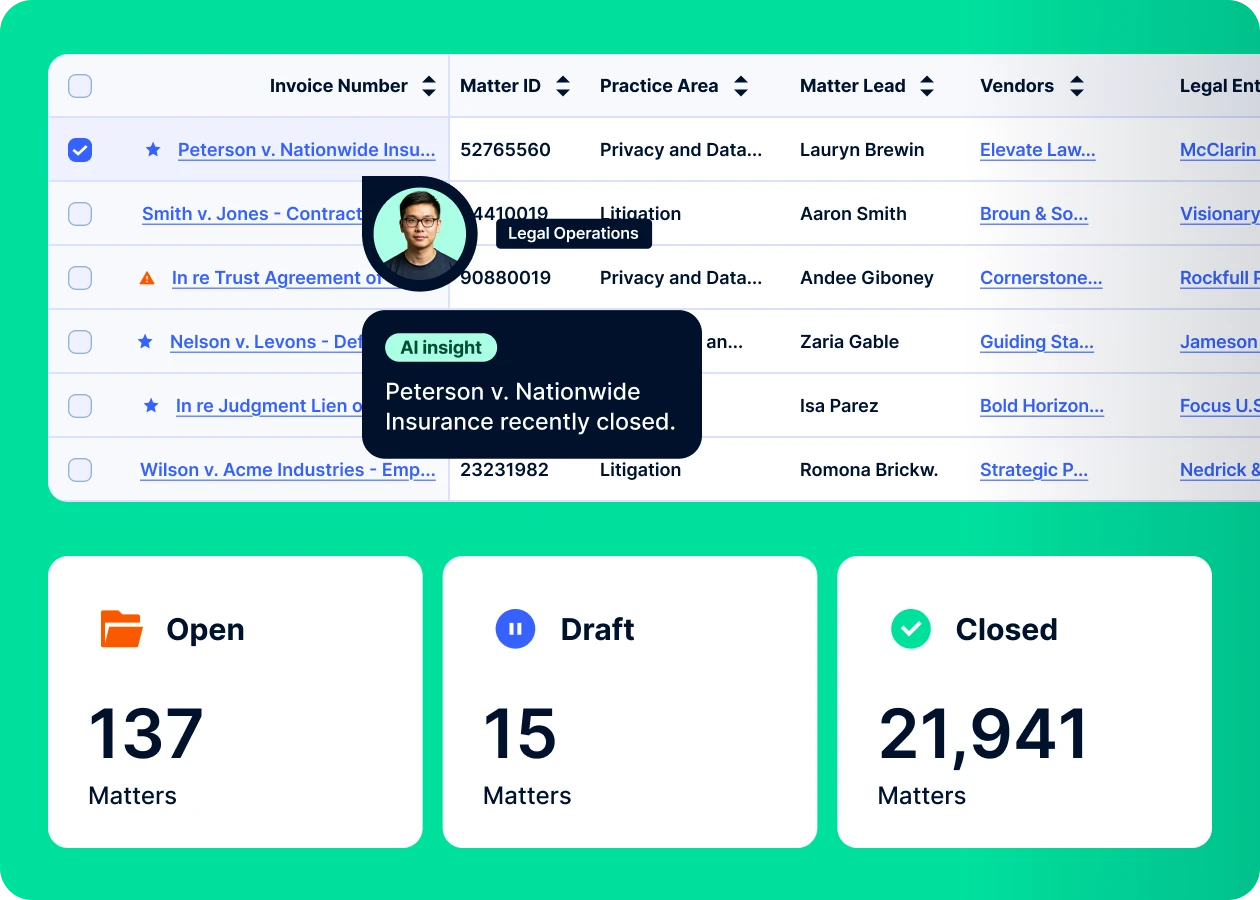
Standardize your process for initiating, tracking, and resolving your legal matters. Workflows like claims litigation, subrogation, or regulatory reviews can be routed automatically and prioritized by business rules.
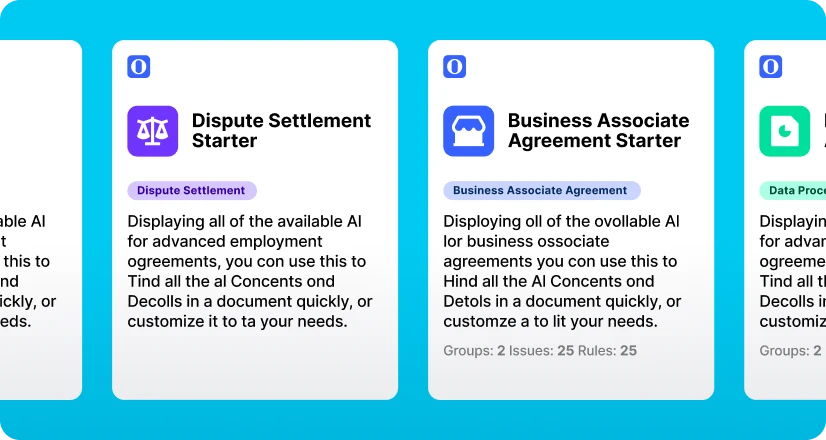
Choose from pre-made templates in Unity’s app catalog
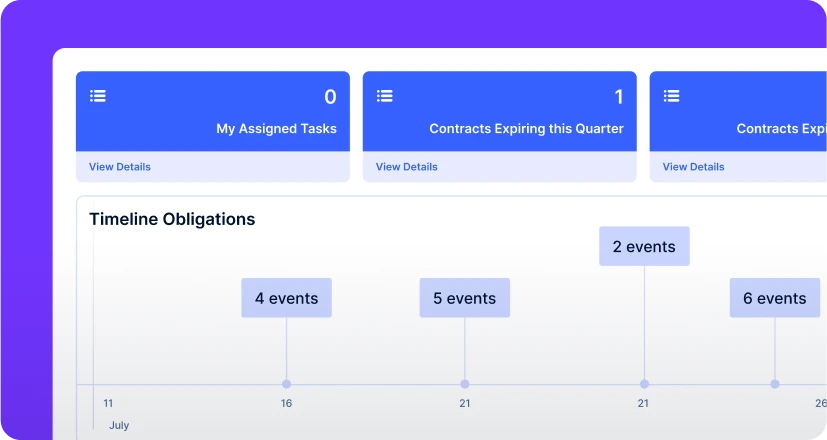
Create sophisticated, no-code automations in Workflow Builder
Deploy specialized AI agents to support and automate repeatable processes
Cut costs with smarter spend management
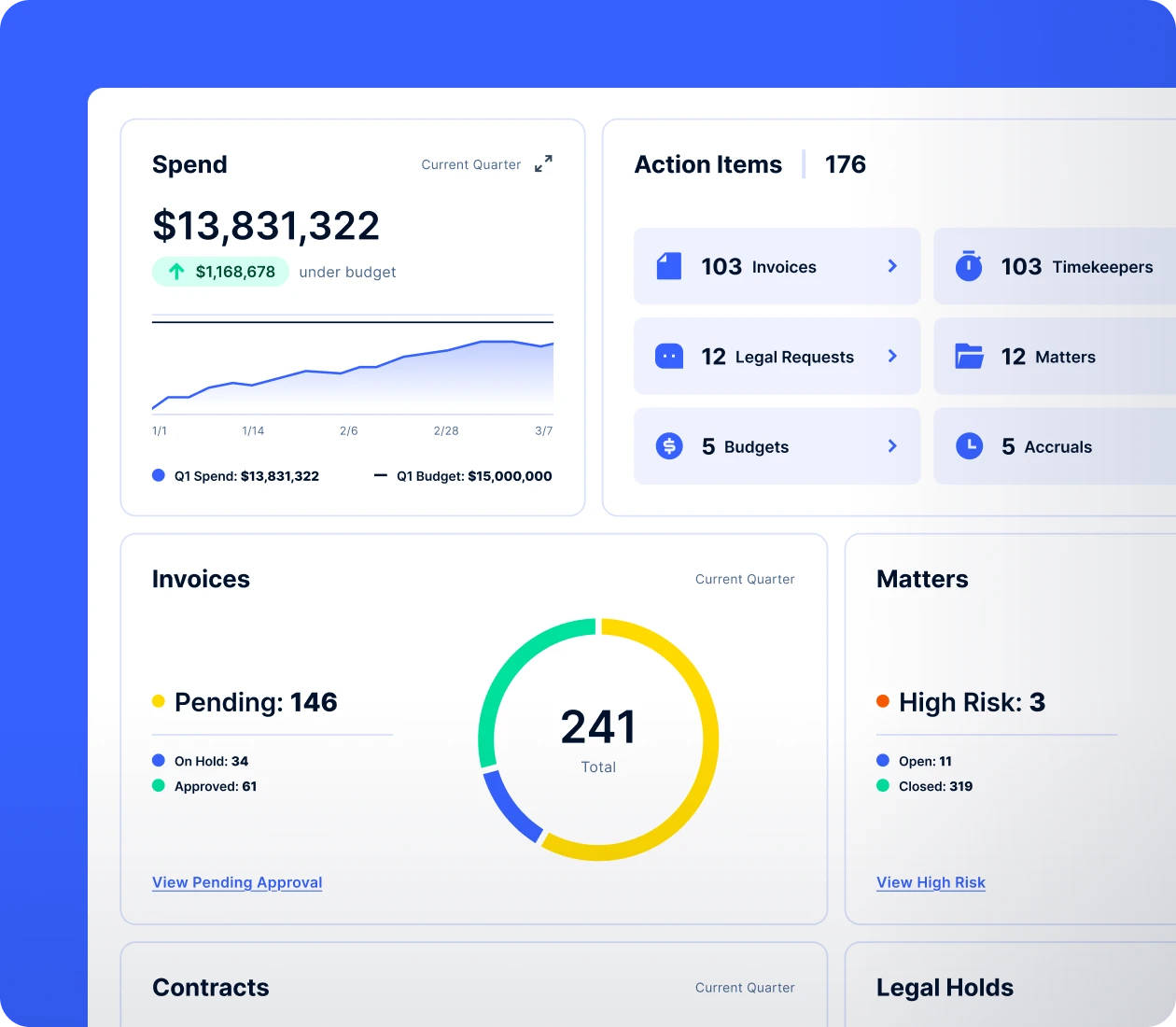
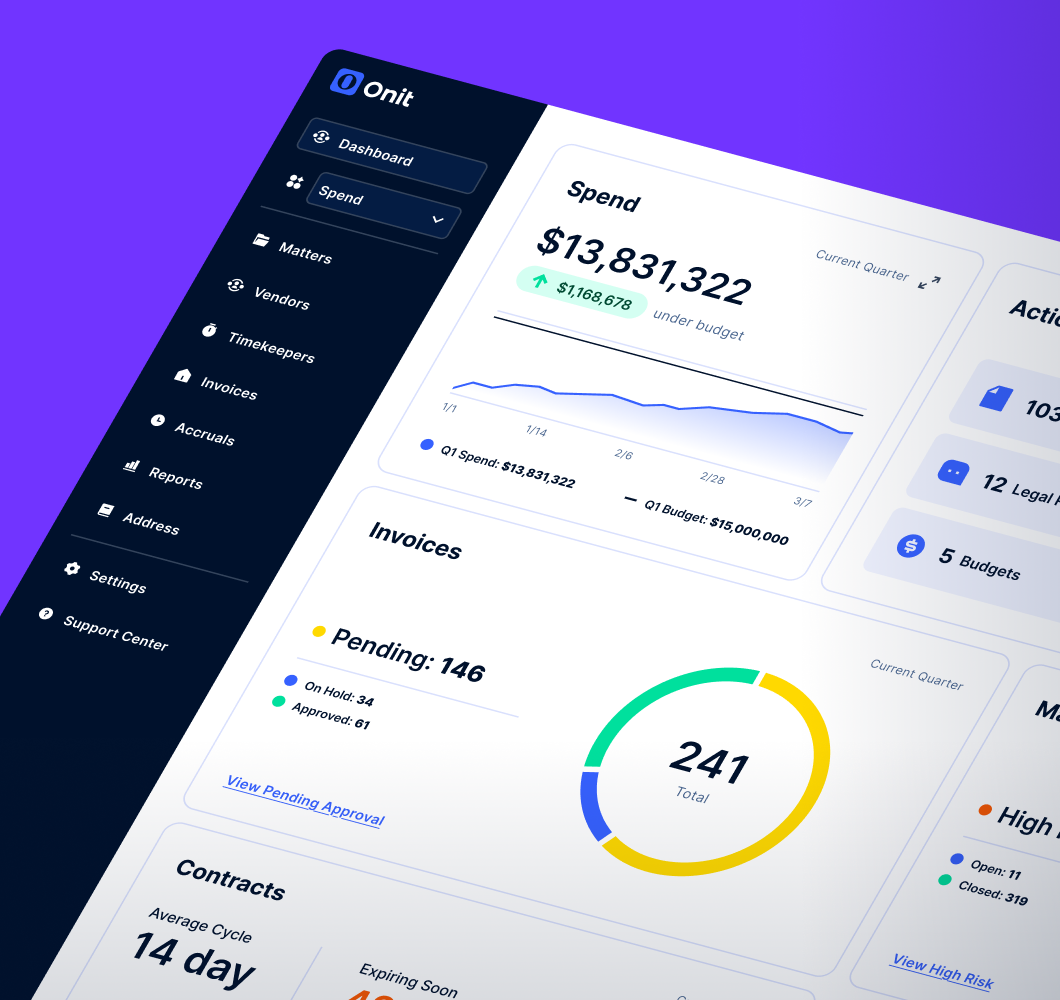
Reduce friction in invoice processing, enforce billing guidelines, and flag costly exceptions before they impact your bottom line. With real-time visibility into legal spend, insurance teams can prevent overspending and improve budget forecasting across departments or regions.
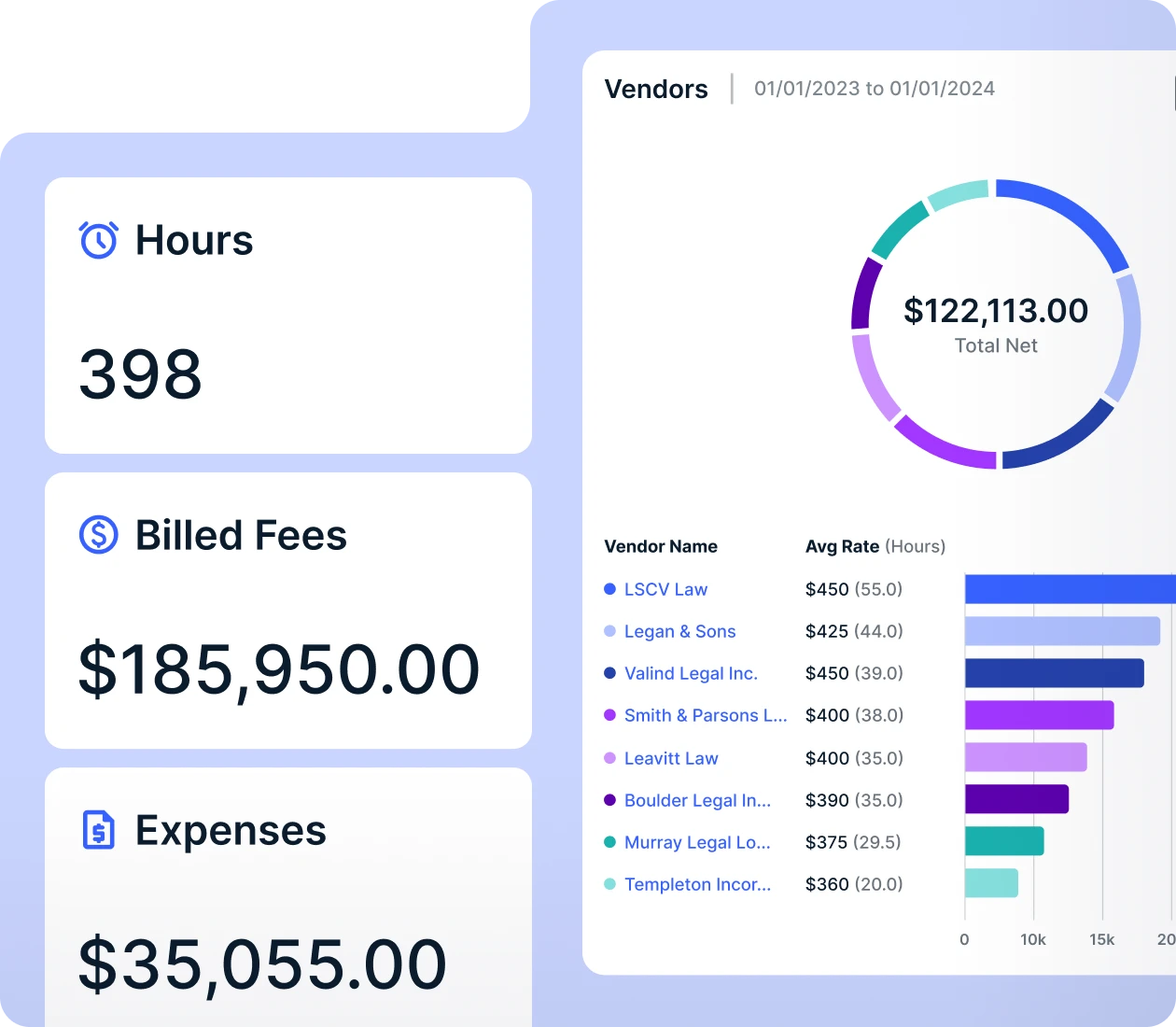
Track outside counsel performance, manage SLAs, and improve vendor outcomes with detailed dashboards that measure turnaround time, billing accuracy, and success rates. Invite vendors to collaborate in a dedicated space on Unity.
AI-Powered Insights
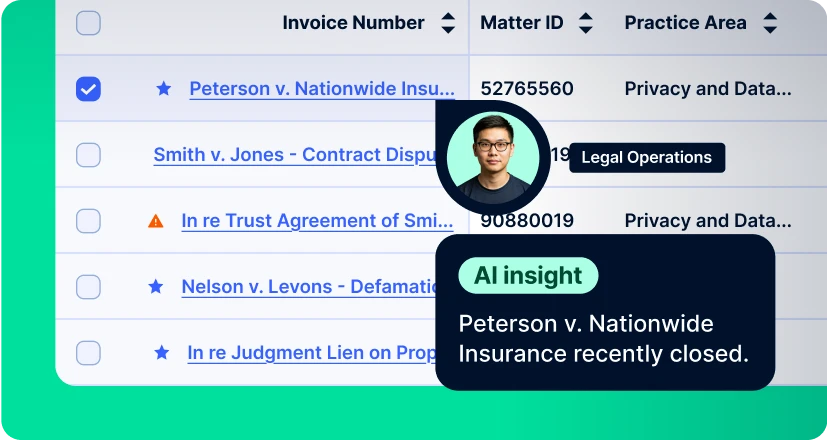
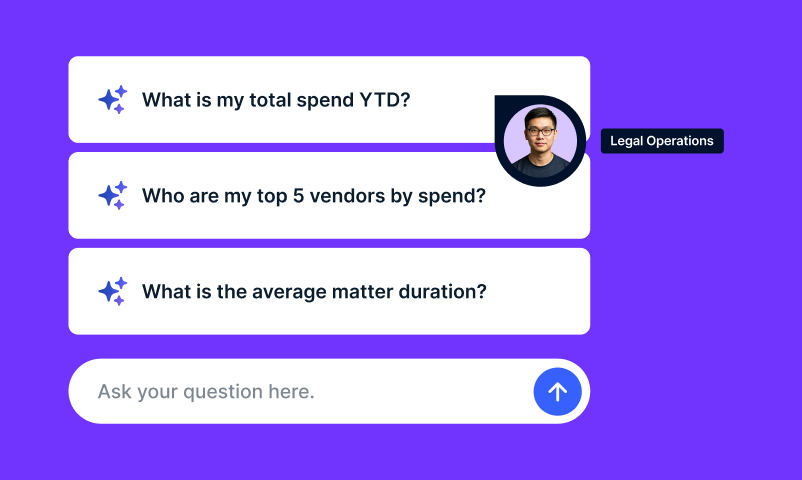
Make strategic decisions and mitigate risk based on AI-powered insights.
Onit’s SimpleLegal stands out for its ease of use—introduction and adoption are practically immediate. The interface is intuitive, and configuring functionality is straightforward. For instance, creating custom tags to capture metadata is incredibly simple and efficient.
Director IT Contracts and Strategic Procurement, AssuredPartners
Start your legal ops transformation
Explore legal automation built for insurance companies.
In the insurance industry, maintaining compliance with regulatory requirements is crucial. Onit’s platform enables legal teams to automate compliance processes, ensuring that all legal operations adhere to the latest regulations and standards.
By integrating compliance checks into automated workflows, organizations can significantly reduce the risk of non-compliance. For instance, automated alerts for regulatory changes and tracking compliance metrics help teams stay informed and proactive, ultimately safeguarding the organization against potential penalties.
Boost Collaboration Across Departments
Effective legal operations require seamless collaboration between legal teams and other departments, such as claims and finance. Onit’s solutions facilitate cross-departmental communication through shared dashboards and integrated workflows, ensuring everyone is aligned on legal matters.
By fostering collaboration, teams can quickly address legal issues that arise during the claims process. For example, a shared platform allows claims adjusters to access legal insights in real-time, enabling faster decision-making and improved outcomes for both the organization and its clients.
Leverage Data Analytics for Informed Decision-Making
Data analytics plays a pivotal role in enhancing legal operations. Onit’s platform provides robust analytics tools that allow legal teams to analyze performance metrics, track case outcomes, and identify trends in legal spend.
By leveraging these insights, organizations can make informed decisions that optimize their legal strategies. For instance, analyzing historical data on vendor performance can help legal teams negotiate better contracts and allocate resources more effectively, ultimately driving cost savings and efficiency.
Streamline Vendor Management Processes
Managing vendor relationships is a critical aspect of legal operations in the insurance sector. Onit’s platform simplifies vendor management by providing tools to track performance, manage service level agreements (SLAs), and evaluate billing accuracy.
With a centralized system for vendor management, organizations can enhance accountability and transparency. For example, detailed dashboards that display vendor performance metrics enable legal teams to quickly identify underperforming vendors and take corrective actions, ensuring better service delivery and improved outcomes.
Enhance Compliance and Risk Management
In the insurance industry, maintaining compliance with regulatory requirements is crucial. Onit’s platform enables legal teams to automate compliance processes, ensuring that all legal operations adhere to the latest regulations and standards.
By integrating compliance checks into automated workflows, organizations can significantly reduce the risk of non-compliance. For instance, automated alerts for regulatory changes and tracking compliance metrics help teams stay informed and proactive, ultimately safeguarding the organization against potential penalties.
Boost Collaboration Across Departments
Effective legal operations require seamless collaboration between legal teams and other departments, such as claims and finance. Onit’s solutions facilitate cross-departmental communication through shared dashboards and integrated workflows, ensuring everyone is aligned on legal matters.
By fostering collaboration, teams can quickly address legal issues that arise during the claims process. For example, a shared platform allows claims adjusters to access legal insights in real-time, enabling faster decision-making and improved outcomes for both the organization and its clients.
Leverage Data Analytics for Informed Decision-Making
Data analytics plays a pivotal role in enhancing legal operations. Onit’s platform provides robust analytics tools that allow legal teams to analyze performance metrics, track case outcomes, and identify trends in legal spend.
By leveraging these insights, organizations can make informed decisions that optimize their legal strategies. For instance, analyzing historical data on vendor performance can help legal teams negotiate better contracts and allocate resources more effectively, ultimately driving cost savings and efficiency.
Streamline Vendor Management Processes
Managing vendor relationships is a critical aspect of legal operations in the insurance sector. Onit’s platform simplifies vendor management by providing tools to track performance, manage service level agreements (SLAs), and evaluate billing accuracy.
With a centralized system for vendor management, organizations can enhance accountability and transparency. For example, detailed dashboards that display vendor performance metrics enable legal teams to quickly identify underperforming vendors and take corrective actions, ensuring better service delivery and improved outcomes.