

Updated March 2026
Manual and fragmented contract processes create real business drag: slow deal cycles, hidden risk, compliance blind spots, and reactive renewals. Modern CLM solutions unite contracting into one automated system so teams can move faster, reduce risk, and gain real contract visibility at scale. Low-touch, automated workflows and centralized data mean you spend less time fixing broken process and more time driving value.
This article helps you answer, “Do we need CLM?” with tangible signals that your organization is ready for a better (and more modern) approach.
Why contract management matters more than you think
Improved contract development and management can increase annual revenue by up to 9%. Yet for most organizations, contract management still relies on manual processes spread across email threads, shared drives, and disconnected spreadsheets. The cumulative impact of these habits costs organizations an immense amount of time and money.
The good news: CLM software exists precisely to close these gaps. Before exploring what modern CLM does, it helps to recognize whether your current process actually needs it.
7 signs your contract process needs modernization
1. Contracts sit in silos and manual tools
If Legal, sales, procurement, and finance all keep contracts in different places, including emails, shared drives, and spreadsheets, you lack a single source of truth. Teams waste time chasing versions, reconciling duplicates, and second-guessing whether a document is current.
- Legal: struggles with version control and audit trails
- Sales: loses deal momentum searching for the right template or approval
- Procurement: cannot confirm whether a vendor agreement is final or still under negotiation
- Finance: cannot reconcile contract terms with actual performance data
Centralization is core to what CLM software solves. Without it, every team is operating on incomplete information.

2. You cannot make changes easily or consistently
Contracts have lifespans. Pricing changes. Regulations shift. Clauses get updated. When your process for managing those changes is a manual chase across departments, you introduce inconsistency and risk at every step. Gaps in standardized language open the door to unexpected legal challenges.
If your contracts consistently have language consistency issues, or if updating one clause means hunting down every contract where it appears, that is a workflow problem, not just a documentation problem.
3. People rely on manual follow-ups
If your team constantly chases signatures, approvals, renewals, or milestones via email or chat, your workflow is working against you. Bottlenecked contract cycles and limited process control increase risk dramatically.
- Legal: waits on business partners to return redlines without visibility into what changed
- Sales: cannot tell where a contract sits in the approval queue
- Procurement: misses renewal windows because no automated alert existed
- Finance: receives invoices that do not match agreed terms because obligations were never tracked
Manual follow-up is a symptom of a process that has no automation underneath it.
4. You lack visibility into contract performance
When performance against obligations, renewals, or compliance is opaque, your team is stuck reacting instead of planning. Without visibility into contract terms and obligations, Legal teams cannot ensure the business is getting the right value from its deals.
Running customized reports on contracts based on specific criteria, such as commission rates, renewal term lengths, or business territory, gives organizations valuable insight into how contracts are actually performing. If generating that kind of report requires significant manual effort, visibility is the problem.

5. Risk and compliance are hard to track
Missing termination clauses, auto-renewals, or regulatory requirements expose the business to real consequences. A single overlooked clause can mean significant financial and legal impact. When compliance tracking depends on individuals remembering to check, rather than a system designed to flag it, risk compounds quietly over time.
- Legal: compliance reviews happen after the fact, not before obligations are triggered
- Procurement: auto-renewals activate on vendor contracts that should have been renegotiated
- Finance: audit requests surface contracts that were never properly stored or tracked
Structured, auditable contract controls are not a luxury. They are a baseline requirement for organizations managing any meaningful volume of contracts.
6. Legal and sales are in constant tension over speed vs. risk
Lawyers, who work to reduce risk, prefer to review contracts in detail. Sales professionals, who have the job of closing deals, want contracts through quickly. If your organization experiences friction like this regularly, it likely needs a better approach.
The tension itself is not the problem. The problem is a process that has no mechanism for resolving it efficiently. When Legal slows deals and sales finds workarounds, both sides lose. Automated policies and configurable workflows help balance speed and compliance without forcing a choice between the two.
7. You are losing value from renewals or performance issues
Missed renewals, poor terms, or unexpected penalties mean contract data is not working for your organization. When there is no system actively tracking key dates and obligations, value leaks quietly out of every contract.
Contracting delays impact the entire enterprise, stalling revenue generation, new services, and valuable partnerships. If your team is not proactively managing renewals, renegotiations, and performance benchmarks, you are leaving real money on the table.

What a modern CLM software actually does
Once the signs above resonate, it helps to understand what modern CLM software brings to the table:
- Centralizes contract data and documents in one secure, searchable repository
- Automates intake, workflows, approvals, and deadline reminders
- Tracks obligations, compliance, key dates, and renewals with intelligent alerts
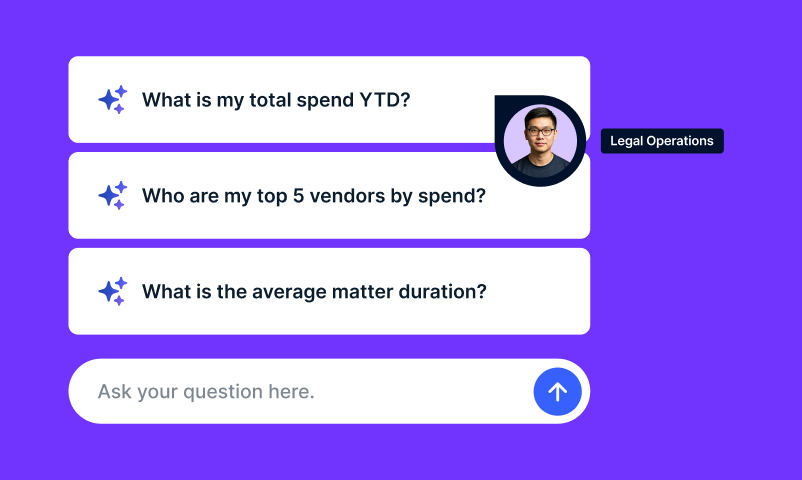
- Provides dashboards and analytics for performance and risk insights
- Integrates with CRM and ERP systems to connect contract data to revenue and operations
The goal is not just to store contracts digitally. It is to make contract data usable, visible, and actionable across the business.
CLM trends in 2026 you should know
CLM is no longer just about automation. AI-assisted insights, natural-language search, and intelligent clause extraction are reshaping how contracting works. Integrations with CRM, ERP, and analytics platforms are turning contracts into strategic data assets rather than static documents filed away after signature. Remote and hybrid work environments have also accelerated the demand for cloud-native, collaborative contract workflows that do not depend on anyone being in the same room or on the same email thread.
Organizations that treat CLM as infrastructure, rather than a one-time implementation, are the ones building durable advantages in how they manage risk, relationships, and revenue.
The business case for acting now
The CLM software market has grown significantly in recent years, and for good reason. Companies using contract management software find advantages across the board: self-service contract creation using approved templates, easier access to contracts stored in one repository, reduction in duplicative work, greater visibility into risk and compliance, and faster turnaround through automation.

When AI is added to CLM, the impact compounds. Research from Onit’s AI Center of Excellence found that AI-powered contract review can dramatically outperform manual review in speed and cost. A junior lawyer may take nearly an hour to review a single contract, while AI-powered tools complete the same task in minutes at a fraction of the cost. For teams managing high contract volumes, that difference is not marginal. It is transformational.
If your organization is experiencing three or more of the signs outlined above, the cost of staying on your current process is likely higher than you realize.
Frequently asked questions
What problems does CLM software solve?
CLM addresses fragmented contract storage, manual approval workflows, missed renewal deadlines, inconsistent contract language, compliance tracking gaps, and a lack of visibility into contract performance and obligations.
How do I know if my contract process needs CLM?
If your team regularly chases approvals by email, cannot quickly locate the current version of a contract, misses renewal windows, or struggles to report on contract performance, your process is ready for a more structured approach.
What does a modern CLM solution include?
A modern CLM solution typically includes a centralized contract repository, configurable workflow automation, integrated e-signature capabilities, AI-driven clause tagging and extraction, obligation tracking, and real-time dashboards for reporting and compliance.
If your contract process is creating more drag than it should, explore how Onit’s contract management and automation solutions help teams move from fragmented to connected. Or, if you want to see the financial impact of a better approach, Onit’s ROI Calculator can help you quantify what improved contract management could mean for your organization.
Originally published August 2020